
In brief
- Cost pressures remain the biggest barrier to accessing the arts, with many skipping events they wanted to attend.
- Reading levels have steadied, with stronger participation among some communities.
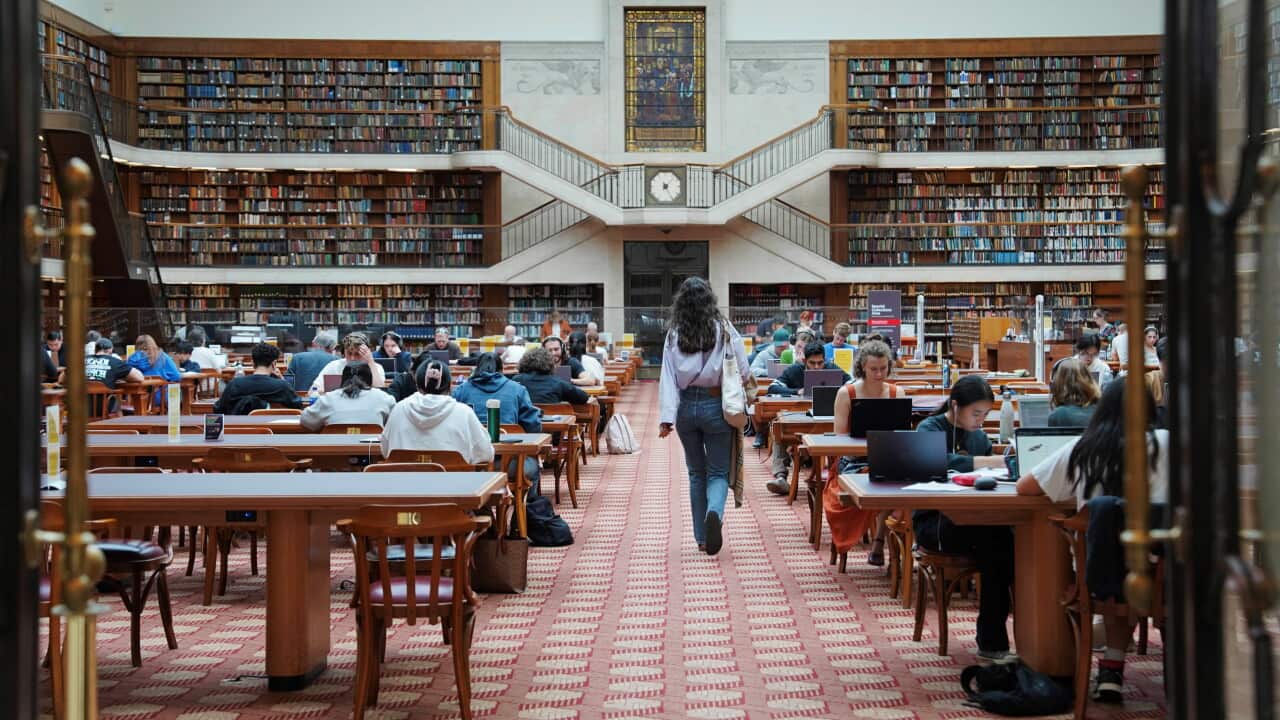
Reading for pleasure in Australia appears to have steadied after earlier declines, while readers themselves are becoming more engaged, according to the Creative Australia's National Arts Participation Survey.
Around 14.4 million Australians, or 69 per cent of people aged 15 and over surveyed, reported reading for pleasure in 2025 through books, ebooks or audiobooks.
That figure remained unchanged from 2022 after falling from 72 per cent in 2019, suggesting reading participation may have stabilised after earlier declines.
The survey of 10,000 Australians also found 98 per cent of Australians engage with the arts in some way, according to , whether through listening to music, reading books, creating art, engaging online or attending live events.
The figure remains broadly in line with 2022 levels, suggesting creativity continues to play a central role in everyday life.
News that makes sense
Your trusted source for staying up-to-date with the world around you. Get free daily news updates and analysis, straight to your inbox.
More readers are turning pages weekly, and print still leads
While overall participation held steady, more readers reported reading at least weekly across all formats.
Almost half of print book readers (49 per cent) said they read at least weekly, up from 45 per cent in 2022.
Among audiobook and ebook readers, around one quarter also reported engaging at least weekly, with audiobook listening increasing to 24 per cent and ebook reading rising to 26 per cent.
Physical books remained the most popular reading format, with two in three Australians reading print books.
Monash University's Ben Eltham told SBS News he was particularly encouraged by the findings on reading.
"There's been a rebound in reading for pleasure, and I think that puts some of the post-literate alarmism to rest," he said.
Word of mouth remained the most common way Australians discovered new books, followed by libraries and bookshops, while one in five Australians said they found books through social media platforms such as TikTok and Instagram.
First Nations respondents were more likely than non-First Nations respondents to read for pleasure, while almost all gender-diverse respondents reported reading for pleasure (96 per cent), compared with 73 per cent of women and 65 per cent of men.
Travis Jordan, advocacy lead at independent games organisation Freeplay, said the findings reflected a broader shift in how Australians think about arts and culture.
"There's always been a bit of an artificial separation between entertainment and art," he said.
"This reflects a shift away from arts and culture as something elite towards something foundational to how communities work."
Arts attendance reaches highest level since 2009
Nearly three in four Australians (74 per cent) attended an arts event or festival in 2025, up from 68 per cent in 2022, marking a record high.
The report also found attendance increased across all art forms, with music and dance audiences showing the strongest return to pre-pandemic attendance patterns.
People reported attending music and dance events as often as in 2019, while attendance at literature, theatre and visual arts events remained below pre-COVID levels.
Australians also reported feeling more satisfied with how often they engage with live events, while fewer said they wanted to attend more.
Entertainment remained the biggest driver for attendance, followed by opportunities for social connection.
"People are craving connection and a communal space that they can only really get through cultural engagement," Jordan said.
Australians increasingly place value on creativity
The report found that positive sentiment towards the arts has continued to strengthen, with Australians increasingly recognising the social, economic and personal value it offers.
More than nine in 10 Australians aged 15 and over (93 per cent) reported positive attitudes towards the arts, while 86 per cent said creative engagement has positive impacts on society, the economy and individual wellbeing.
Access for children and young people was ranked as Australia's top priority for public arts investment, overtaking support for free or low-cost events.
The findings also suggest early exposure to the arts shapes participation later in life, with Australians who learned an art form during their school years significantly more likely to engage with creative activities as adults.
Cost pressures remain a barrier
Despite the figures, the report identified cost as the biggest barrier to attending arts events and festivals in 2025, with six in ten Australians saying price affected their ability to participate, up from 55 per cent in 2022.
More than half said there were events they wanted to attend but ultimately did not because of the cost.
Jordan said people were increasingly changing how they participate in culture rather than opting out entirely.
"People are always going to create. They're always going to want to go to art things," he said.
"The question becomes sustainability, whether the people creating those experiences can continue to do so."
The findings point to a tension in Australians' relationship with the arts: While attendance has climbed to record levels, many are becoming more selective about which experiences they can afford.
Eltham said record participation and affordability pressures were not necessarily contradictory.
"Music, art and literature are things that keep people happy, sane and help them find meaning in their lives ... Cultural participation remains highly resilient," he said.
For the latest from SBS News, download our app and subscribe to our newsletter.