
In brief
- Measures implemented by the Australian government to tamp down petrol prices are set to expire at the end of June.
- The government has made no indication that it intends to extend the measures.
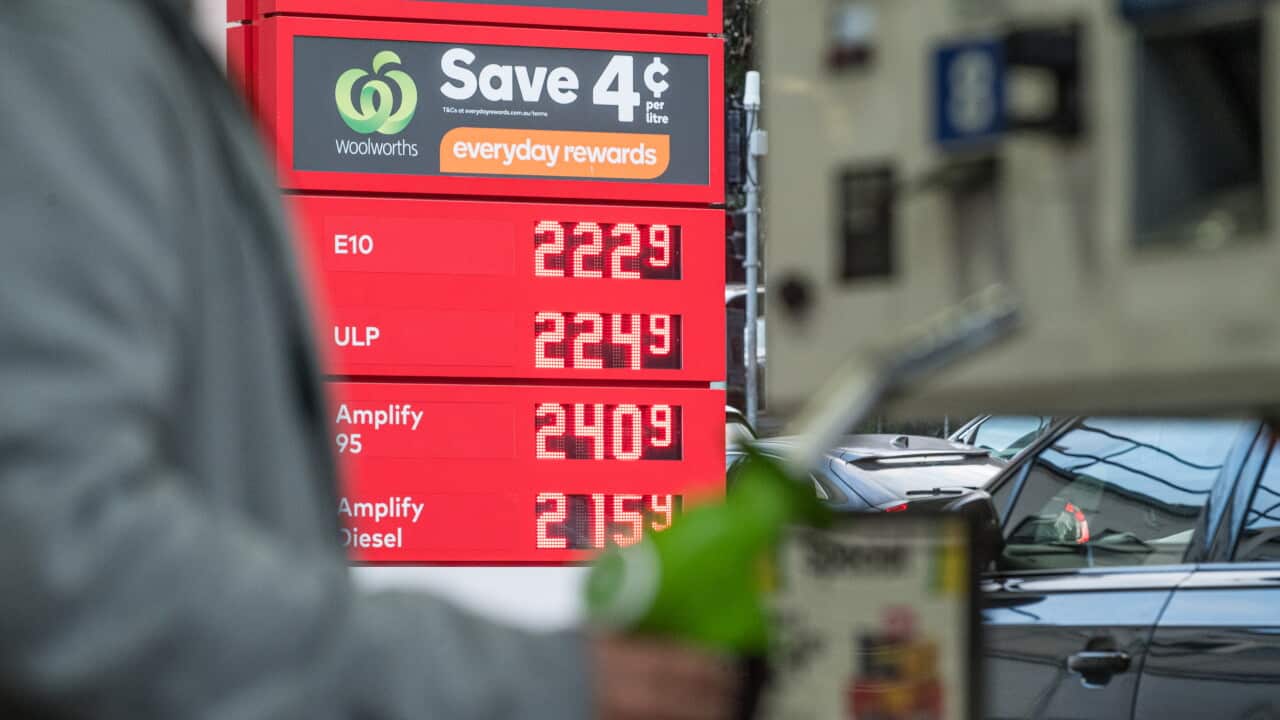
Motorists and businesses will be paying higher prices at the bowser as a reduction to the fuel tax comes to an end.
The fuel excise was temporarily halved by the government, slashing 26 cents per litre, in response to soaring global oil prices caused by the war in the Middle East.
The $2.5 billion measure is set to expire at the end of June.
Australia's peak motoring body, NRMA, said that, based on current prices, the average for unleaded petrol in Sydney in July will be 40 cents higher than before the start of the United States and Israel's war with Iran, at $1.99 per litre.
Diesel would be 65 cents higher at $2.37 per litre.
News that makes sense
Your trusted source for staying up-to-date with the world around you. Get free daily news updates and analysis, straight to your inbox.
According to the Australian Institute of Petroleum, the national average petrol price was 174.9 cents per litre, with diesel at 213.7 cents per litre, for the week ending 7 June.
According to Treasury data, Sydney, Melbourne and Brisbane experienced reductions in unleaded petrol prices of at least 89 cents per litre from the end of March.
In those three cities, petrol prices averaged at least 257 cents per month after the US launched strikes on Iran as the countries were engaged in nuclear negotiations.
Transport Minister Catherine King indicated it would not be extended further, even as conflict continues in the Middle East.
"We're consulting, obviously, with industry about the impact of that, but people should at this stage expect that it's coming off at the end of June," she told ABC News Breakfast on Wednesday.
NRMA spokesman Peter Khoury said regional Asian markets, where Australia sources most of its imported fuel, remained pretty steady.
"We don't know what's going to happen in the Middle East, prices in a month's time could be lower or higher," he told the Australian Associated Press.
On Wednesday, the US military launched "self-defence" strikes against Iran in response to the downing of an American Apache helicopter. Hours later, Iran hit back at US bases in the Gulf region in retaliation.
Iranian media confirmed explosions were reported in Sirik, a port city along the Strait of Hormuz.
Prime Minister Anthony Albanese told ABC Radio the constant changes surrounding the Strait of Hormuz made it difficult to "deal with the consequences".
King said Australia urged diplomatic solutions to end the conflict in the crucial oil passageway.
"We want to urge all parties to continue to negotiate that," she said.
"This is a pretty fragile ceasefire, and you're seeing that borne out unfortunately."
For the latest from SBS News, download our app and subscribe to our newsletter.