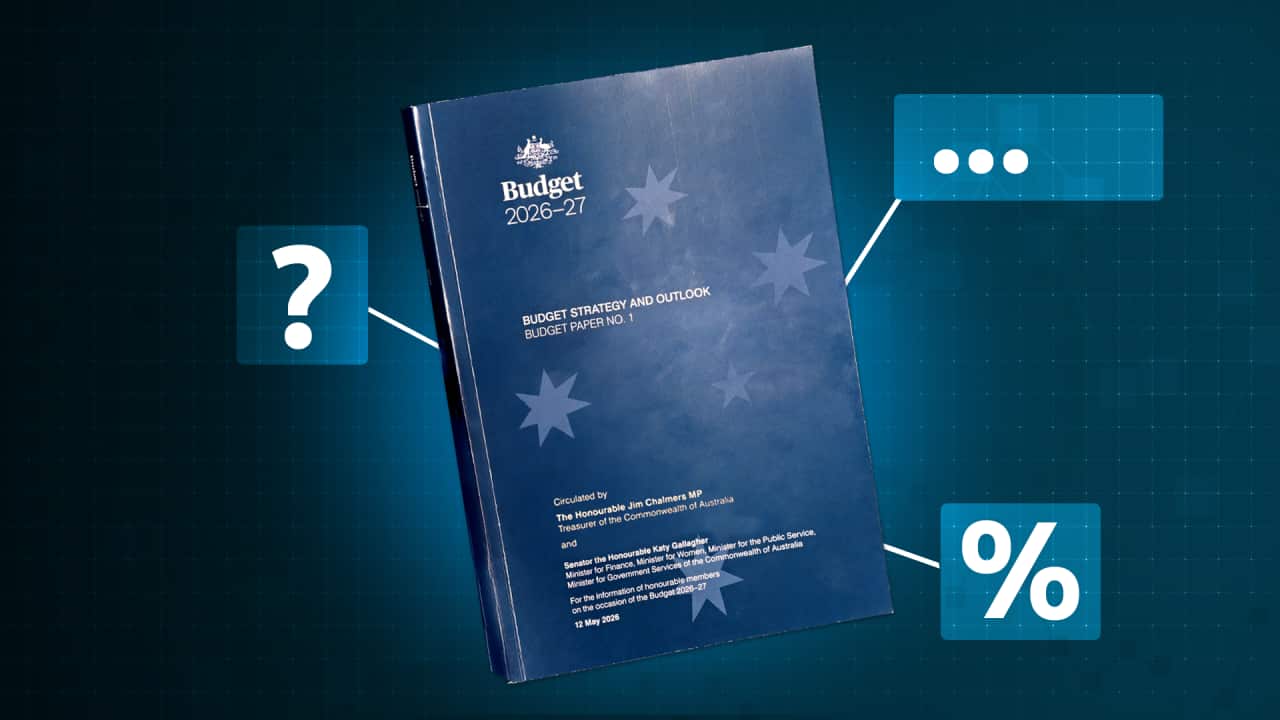
In the lead up to the 12 May federal budget, SBS News asked its audiences what mattered to most to them.
While housing was a big concern for those who responded to the call out on SBS News's social media platforms, it wasn't the number one issue.
You also gave us your burning questions about the budget — we explore them here.
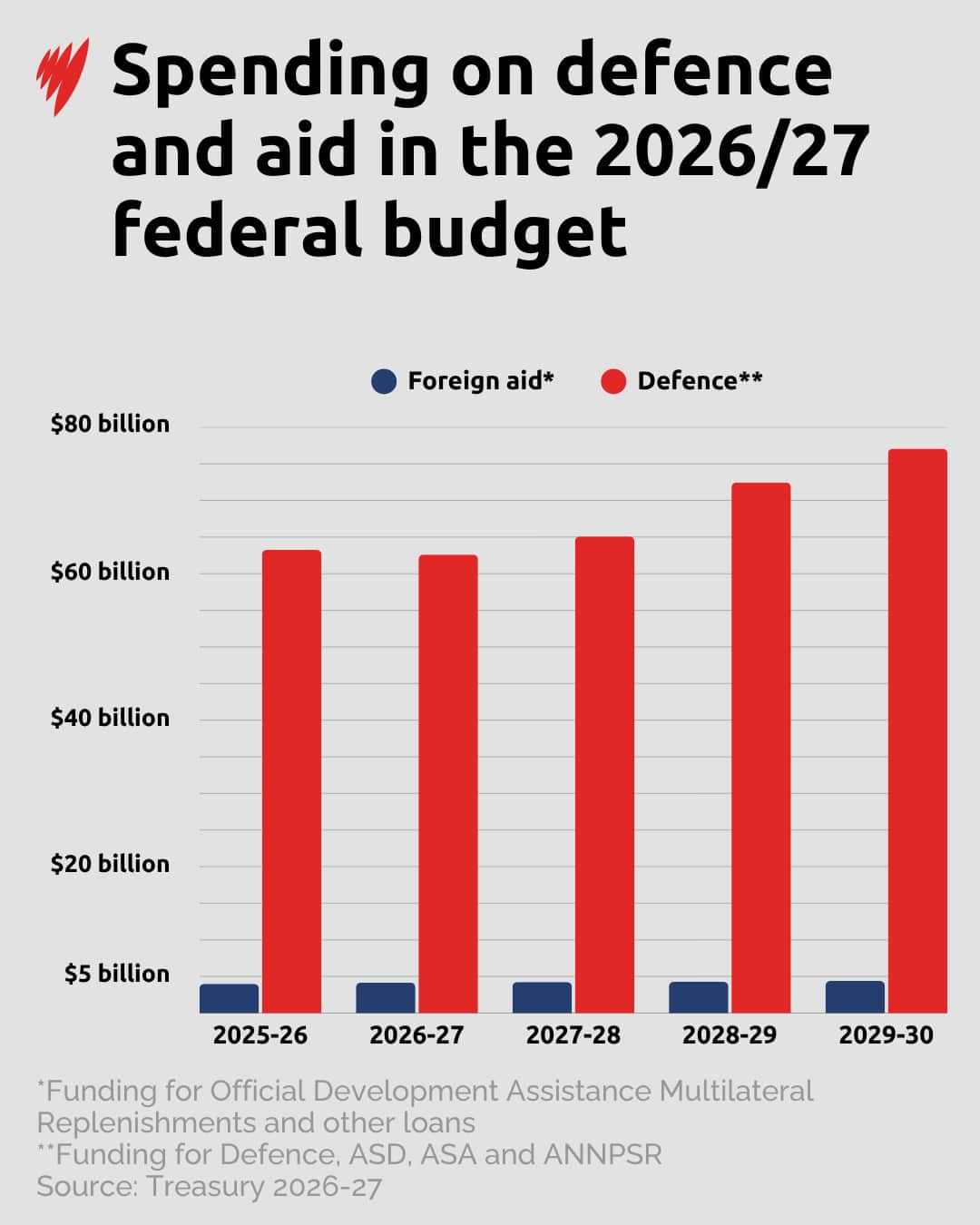
How much are we spending on the military and foreign aid?
There's $340 billion in defence spending and $21 billion for foreign aid in the budget, spread out over five years.
The $340 billion for defence funds the Department of Defence and other agencies that support Australia’s military operations — the Australian Signals Directorate, Australia Submarine Agency, and the Australian Naval Nuclear Power Safety Regulator, which was established late last year.
The $21 billion for foreign aid is what Australia has committed to spend on Official Development Assistance, which is government aid for developing countries, Multilateral Replenishments which is funding for multi-country organisations like the UN and the World Bank, and other loans.
What's in the budget for social housing?
Social housing is mostly a state responsibility, but there is some federal funding. Under the National Agreement on Social Housing and Homelessness, the government has provided on average $1.9 billion a year for the next four years, up slightly on its commitments in the last budget.
- Why the budget might not 'shift the dial' on home ownership
- Who are the winners and losers of the 2026 federal budget?
- Visas, English tests: How the budget is reshaping migration
- Your five-minute guide to the budget
There is also the Housing Australia Future Fund, in which the federal government invested $10 billion into in 2023. The revenue from that investment goes to building social and affordable housing — there's been no additional funding there.
Does the budget mention climate change?
Climate change was the number one concern among our audience who responded to our social media call out.
The government says it found $2.2 billion in savings in the budget across the Climate Change, Energy, Environment and Water portfolio over 14 years.
Those savings are largely coming from uncommitted funding for a range of grants, funds, and programs, like $1.3 billion over 10 years from the Battery Breakthrough Initiative, Solar Sunshot program, and the Hydrogen Headstart.
Those three programs were part of the government’s Future Made in Australia scheme, a plan to make Australia a world leader in clean energy production by funding clean energy projects announced ahead of the last election.
The battery and solar programs were both for funding the manufacturing of those products in Australia, while the hydrogen funding was to support large-scale renewable hydrogen projects.
The main initiatives for climate change and the environment in this budget are:
- Funding to implement the changes to the Environment Protection and Biodiversity Conservation Act, passed last year
- Establishing a National Environmental Protection Agency
- A plan for a national solar panel recycling pilot, with the aim of reducing waste and reusing the valuable minerals in solar panels
What's in it for women?
For the fifth year, the government put out a Women's Budget Statement that it says is aimed at "making gender equity a core economic priority", although most of the initiatives included in it we already knew about, like a three-day childcare guarantee and changes to paid parental leave.
What's new in the budget is around $180 million to reform the child support system, which the government says is the first step in ending the "weaponisation" of the system and protecting women and children from financial abuse.
It includes a new online support program, better data sharing between agencies and allowing Services Australia to better pursue unpaid child support and stop harassing behaviour.
Employer withholding, where an employer deducts child support from someone's wages, will become the default child support payment method, which the government says will move $520 million in payments a year into a more reliable and timely system.
For the latest from SBS News, download our app and subscribe to our newsletter.