In brief
- The Labor government has announced its formal response to a report by the special envoy to combat Islamophobia.
- Thirty-five of the 54 recommendations submitted by envoy Aftab Malik 10 months ago will be adopted.
Prominent Muslim groups have welcomed the Australian government's response to key recommendations to tackle Islamophobia ten months after a key report was handed down.
"While this response is welcome, much more remains to be done," The Alliance of Australian Muslims and the Australian National Imams Council (ANIC) have said.
However, a senior figure from ANIC said there was "one glaring omission" in the government's response.
On Saturday, the government accepted 35 of 54 recommendations put forward by Special Envoy to Combat Islamophobia, Aftab Malik, in his landmark report submitted last year.
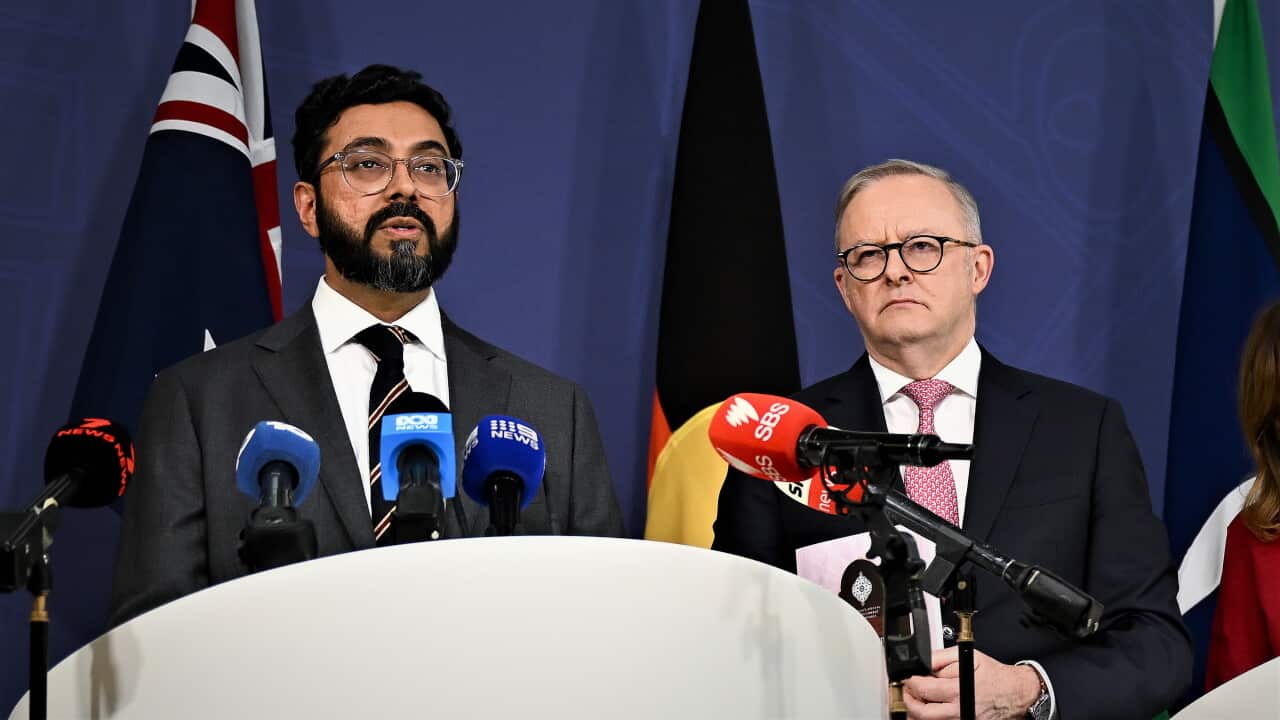
The government said more needed to be done to tackle the issue of rising Islamophobic racism and abuse at its roots, with Prime Minister Anthony Albanese saying the government's response was about "practical action to keep communities safe and strengthen our social cohesion".
News that makes sense
Your trusted source for staying up-to-date with the world around you. Get free daily news updates and analysis, straight to your inbox.
However, he did not explicitly say which of the 54 recommendations would be accepted or rejected.
"What we've done is respond to all of the recommendations — some of them we have adopted in full and are acting on already," Albanese told reporters on Saturday. "Others we'll give further consideration to"
The announcement comes 10 months after Malik put forward his report.
"For Muslim Australians, who continue to experience Islamophobia in their daily lives, this has been a long wait," Malik said on Saturday.
"These measures matter. They are important. They demonstrate the government recognises Islamophobia as a real and serious problem that warrants a national response, but this is just the start of the journey."
Malik said he understood the government "must balance competing priorities" but said "Muslim Australians should not be expected to bear the cost", adding that he will continue to advocate for any outstanding recommendations.
"Where the government has acted, I will support that progress. Where recommendations remain outstanding, I will continue to advocate for them."
Which recommendations have been accepted?
While the government said it would adopt 35 of the 54 recommendations, it hasn't explicitly specified which.
Instead, it has grouped its response under four themes: education and awareness, protection and support, building social cohesion, and accountability and responsibility.
Under education, the government will establish a taskforce aimed at tackling Islamophobia in the community.
The Australian Curriculum will also be reviewed with a focus on strengthening racial and religious tolerance, in addition to the establishment of a research institute on Australian Muslim affairs.
Under protection and support, $41.9 million will be directed towards initiatives to improve security at Muslim faith-based places.
There will also be additional funding for mental health and wellbeing supports for local organisations helping communities affected by hate and violence.
Muslim communities will also be supported through new multicultural grants, with a particular focus on Muslim women and young Muslims — and the targeting of sporting events and events that foster cross-cultural engagement.
The government has also said there will be "improved" reporting, responses and community support to report Islamophobia through expanded Australian Federal Police (AFP) Community Liaison Teams and a new AFP Social Cohesion Team.
What's been rejected?
The biggest recommendations that appear to be missing from the government's report are those related to counterterrorism and racial discrimination laws.
Malik previously called for a ban on religious discrimination, for Muslims to join Sikhs and Jews in being explicitly protected in existing racial discrimination laws and recommended the government set up a commission of inquiry into Islamophobia, as well as a separate inquiry into anti-Palestinian and anti-Arab racism.
He also asked for an independent review into counterterrorism laws to investigate whether they were leading to discrimination against Muslims in Australia.
Asked on Saturday whether the government would be open to any revision of counterterrorism laws, Albanese said that was dependent on "appropriate advice from national security agencies".
"People will have different views they will put forward, and they're entitled to do so," he said.
"We take advice from our security agencies. I have confidence in them. They get it right, and that is what is appropriate."
Opposition minister for home affairs Jonno Duniam said addressing prejudice should not weaken counterterrorism frameworks.
"The Coalition will closely scrutinise the government's response to Mr Malik's report, particularly to establish which recommendations it intends to pursue, what they will cost, and what consequences they may have for national security and freedom of expression,"
"Every Australian should be free to practise their religion, support their family and live their life without fear of hatred, intimidation or violence.
"But addressing prejudice cannot be allowed to weaken our counter-terrorism framework, obscure the role of extremist ideology or constrain legitimate public debate."
He added that the Coalition would "firmly resist any move in that direction", including proposals to remove religious or ideological motivation from the legal definition of terrorism.
'One glaring omission'
In a joint statement, the Alliance of Australian Muslims (AAM) and the Australian National Imams Council (ANIC) said the response was "an unprecedented and important step in the right direction towards recognising and addressing the serious impact of Islamophobia and anti-Muslim hate in Australia".
"While this response is welcome, much more remains to be done," the groups added.
"It must be followed by meaningful and timely action, supported by clear commitments, appropriate resources and strong accountability."
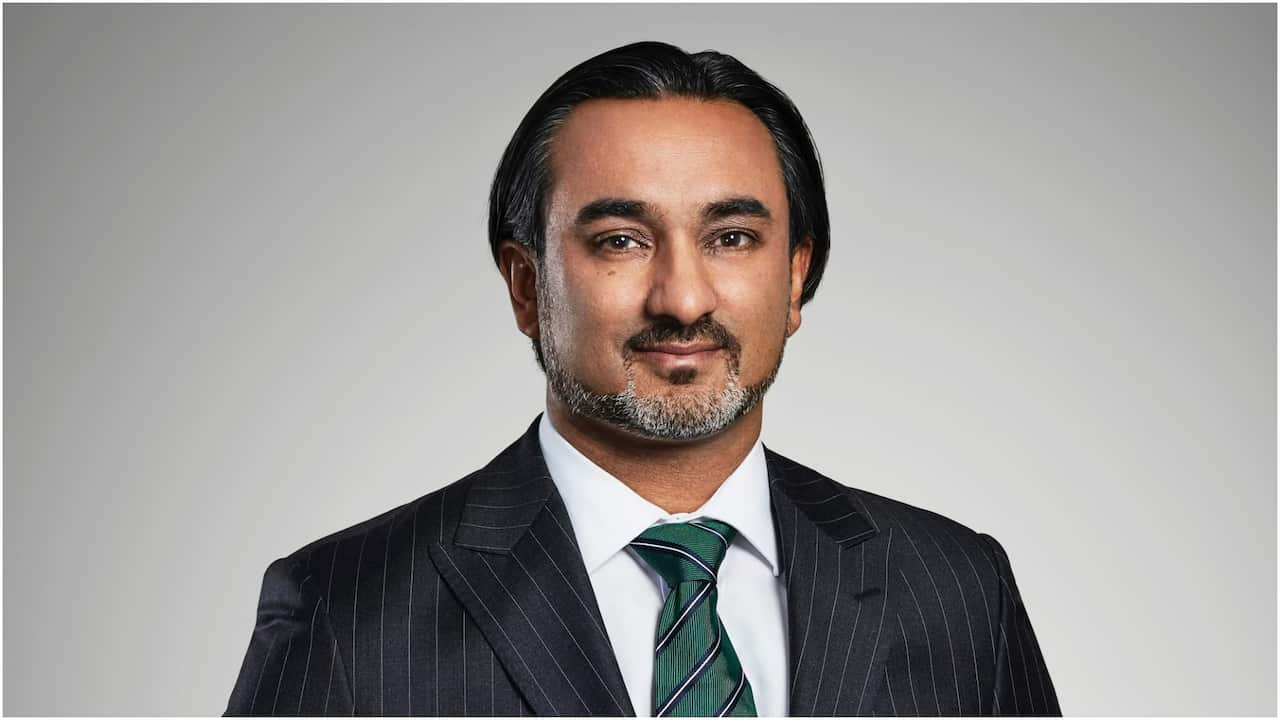
ANIC senior advisor and spokesperson Bilal Rauf told SBS World News he also welcomed the government's response, but said it contained "one glaring omission", particularly when compared to the government's response to antisemitism.
"The one glaring omission is that there wasn't much, if any, discussion about legal consequences and enforcement," Rauf said.
"If one looks at the range of responses to antisemitism — which is also prevalent and needs to be addressed — as compared to Islamophobia, the real sense is that there is a lesser priority being attached to Islamophobia."
"We saw that with antisemitism there were changes in laws, increased policing and security — there was an emphasis on legal enforcement and consequences — and yet, when it comes to the response to Islamophobia, that's the part that really is missing."
"The expectation was that there would also be an emphasis on legal consequence, standards and enforcement other than just resourcing and the soft measures."
"The reality is that unless there is enforcement and legal consequence on the ground, there is a question for how far any change might travel."
AAM and ANIC said there needed to be "practical enhancements" leading to systemic and structural improvements and that they were "working constructively" with the government and special envoy on recommendations that had "not yet received a formal response".
"Muslim hate must be confronted with the same seriousness, urgency and determination as every other form of hatred, racism and religious discrimination," they said.
"Achieving this will require clear commitments, adequate resources, effective accountability and the timely implementation of measures that deliver real and lasting change."
Home Affairs Minister Tony Burke said that Islamophobia remained ''chronically under-reported'' and that it was ''debilitating''.
''We have seen a rise in Islamophobic attacks and abuse directed at Muslim Australians," he said.
"It is widespread. It is debilitating. And it is unacceptable.''
— With additional reporting by the Australian Associated Press.
For the latest from SBS News, download our app and subscribe to our newsletter.