


IN BRIEF
- Israeli forces have made their deepest incursion into Lebanon in a quarter of a century.
- They have occupied a mountaintop castle held for 18 years before withdrawing in 2000.
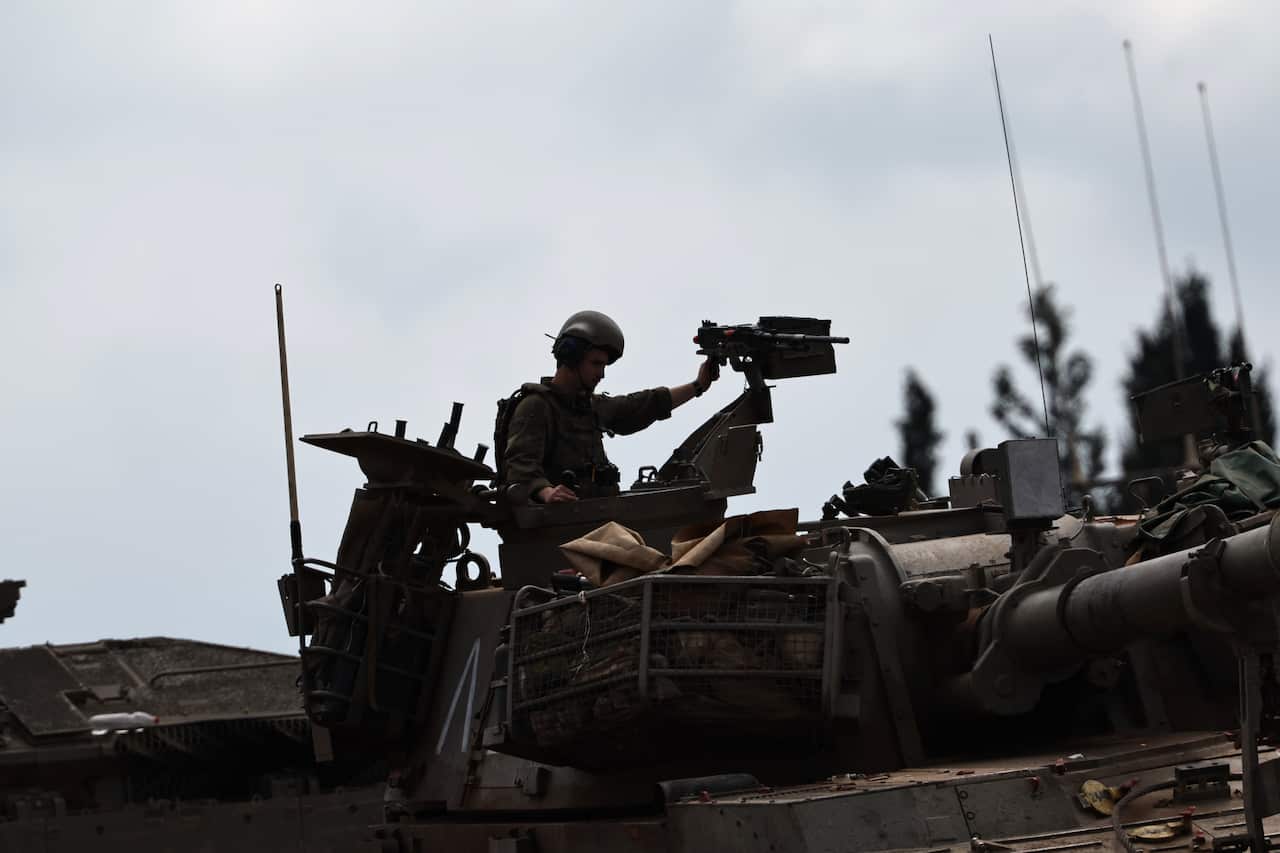
Israeli troops have captured a strategic mountain topped with a Crusader-built castle in southern Lebanon, in their deepest incursion into the country in more than a quarter of a century.
The capture of Beaufort Castle near the city of Nabatiyeh came after days of intense fighting and airstrikes in nearby villages where Israeli troops fought Hezbollah members in the rugged area.
The capture of the castle marks a major gain for Israel since the latest Israel-Hezbollah war began in early March and as the two countries that have been in a state of war since Israel was created in 1948 hold direct talks in Washington.
The Israeli army's Arabic spokesman Avichay Adraee posted a photograph on X showing Israeli troops walking outside the castle.
Lebanon's state-run National News Agency (NNA) earlier reported Israeli airstrikes and artillery shelling near the Beaufort Castle, which is about 15km from the Israeli border and overlooks wide parts of southern Lebanon.
News that makes sense
Your trusted source for staying up-to-date with the world around you. Get free daily news updates and analysis, straight to your inbox.
The castle was held by Israeli troops for 18 years until they withdrew from Lebanon in May 2000.
Israeli troops have been advancing for days in villages close to the castle, including Yohmor and Zawtar al-Sharqieh near the city of Nabatieh, after they crossed the strategic Litani River, which the Israeli military has used as a de facto boundary.
Lebanon's prime minister Nawaf Salam accused Israel on Saturday of pursuing a "scorched-earth policy and collective punishment" in the south, urging a halt to the fighting and warning it was "destroying towns and villages, and forcing their inhabitants into exile".
Military delegations from both countries held security talks in Washington on Friday, with more US-brokered negotiations planned next week.
Salam said the outcome of the negotiations was "not guaranteed", but called them "the least costly path for our country and our people".
A truce to halt the fighting between Israel and Iran-backed Hezbollah officially began on 17 April, but has never been observed.
Both Israel and Hezbollah accuse each other daily of violating the ceasefire and justify their attacks by the other's alleged breaches.
A US statement issued after Friday's Israel-Lebanon talks made no mention of the truce, but said the "productive military-to-military discussions" would inform next week's political meeting.
Hezbollah vehemently opposes the direct talks.
Large areas to the south are under Israeli military control and aerial attacks have continued in recent days.
NNA reported Israeli airstrikes on different parts of southern Lebanon, including in the village of Ansar that killed three people.
A drone strike on a road linking the village of Ebba with Nabatieh wounded two Lebanese soldiers, the army said in a statement.
On Saturday, Hezbollah said it launched multiple attacks targeting northern Israel and clashed with Israeli soldiers in southern Lebanon.
Hezbollah, said its fighters had fired rockets at northern Israel's largest city, Kiryat Shmona, on the border with Lebanon in retaliation for airstrikes that killed civilians in Lebanon.
Hezbollah later said it also fired rockets toward the northern city of Safed.
The Israeli army also said on Sunday that one of its soldiers had been killed a day prior by a Hezbollah explosive drone, bringing to 25 the number of Israeli military deaths in Lebanon since early March.
The Lebanese health ministry says that Israeli attacks have killed more than 3,371 people since 2 March.
For the latest from SBS News, download our app and subscribe to our newsletter.