Prepare for a likely interest rate rise on Tuesday.
This week's inflation data confirmed consumer prices are well above the Reserve Bank of Australia's (RBA) target, along with what we already know … we're paying more for electricity and petrol.
And, those higher fuel costs are feeding through to suppliers who, in turn, are asking supermarket operators to lift shelf prices.
The war in the Middle East is also impacting building materials costs, and this could make it more expensive to build new homes at a time when house prices look likely to be on a downward trend.
Throw in a tax time warning from the Australian Taxation Office (ATO), and you’ve got a full week in the world of business and finance.
Inflation surge may force an RBA rate hike
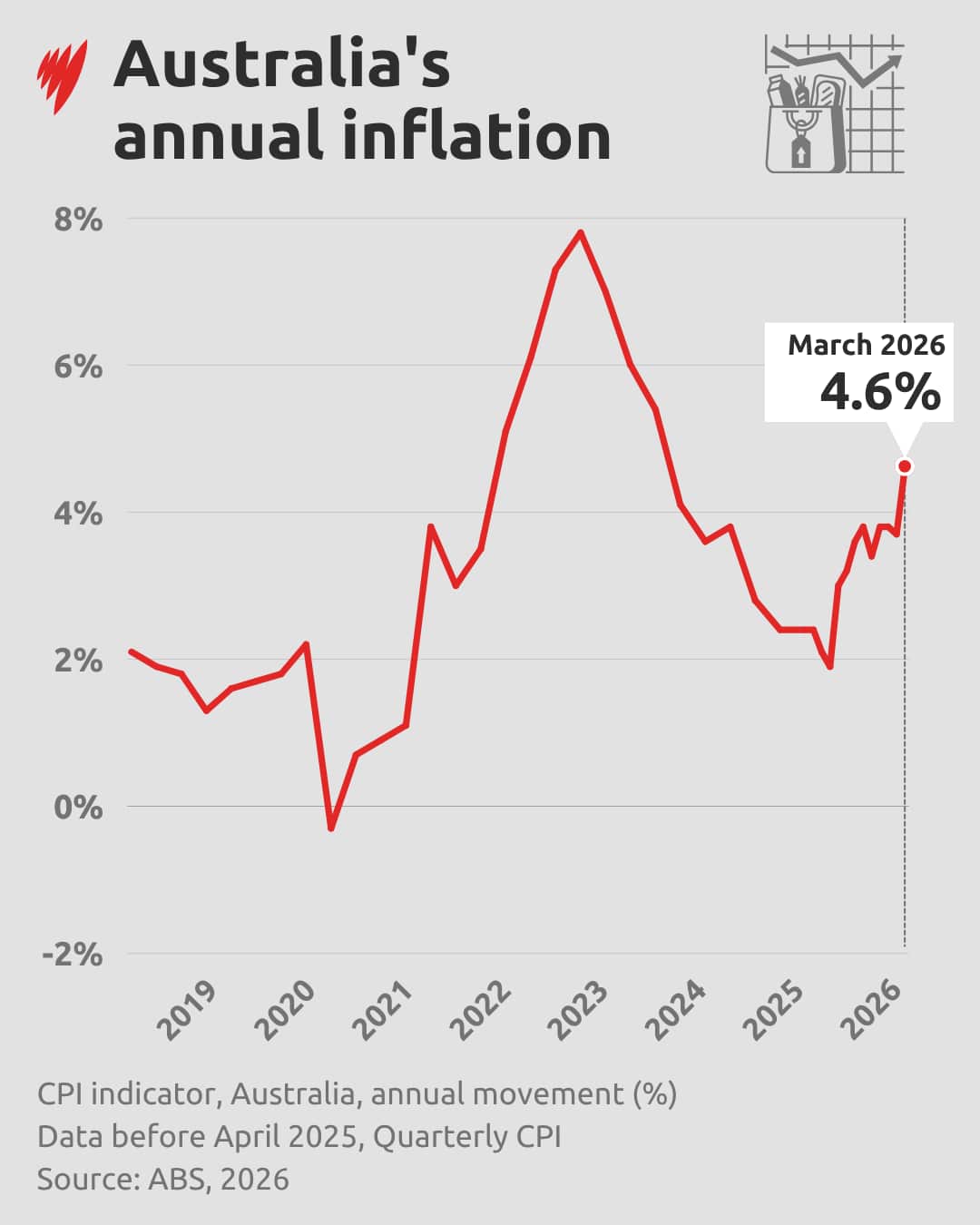
Inflation has picked up sharply, with official data showing prices rising at an annual rate of 4.6 per cent in March. The RBA's target is between 2 and 3 per cent.
A big driver was fuel, with automotive petrol prices surging 33 per cent in the month, the largest increase since records began in 2017. Electricity prices also climbed 25 per cent over the year, making housing the biggest contributor to overall inflation.
The government's temporary cut to fuel excise to ease higher petrol prices spurred by the Middle East war wasn’t captured in the data because it began on 1 April, but the reality is that inflation was already high before the start of the war.
Unlike other global central banks, including those of the United States, United Kingdom, Europe and Japan, which left rates on hold last week, experts are betting the Reserve Bank will lift rates for a third time this year on Tuesday to combat those higher consumer prices.
Supermarkets say they are under pressure to lift prices
Supermarket giants say they’re under pressure from suppliers hit by rising fuel costs as they transport goods and want higher shelf prices to compensate.
Coles and Woolworths both released quarterly sales results this week and say they’re trying to absorb some of the costs, which is unsurprising given the recent regulatory scrutiny they’re facing over pricing.
Supermarket prices minus tobacco fell 1 per cent at Woolworths in the three months to March, while at Coles they eased to just 0.8 per cent, but both have warned of some food price inflation to come where it can't be avoided.
Signs housing market is cooling
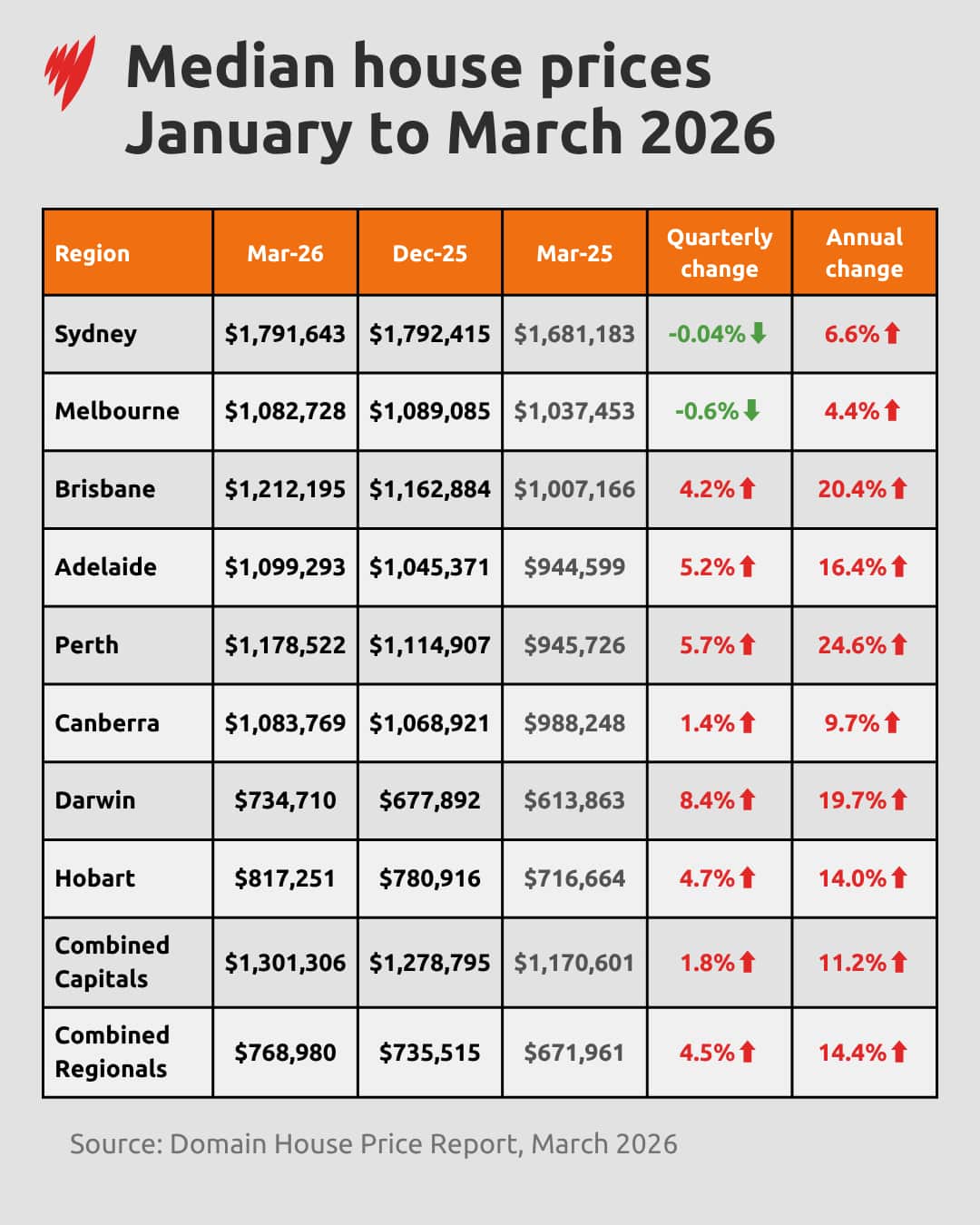
There are fresh indications that Australia’s housing market may be starting to turn.
New data from Cotality shows property prices in Sydney and Melbourne fell 0.6 per cent in March, while national price growth slowed to just 0.3 per cent.
That brings the median home price to around $940,000, but the pace of growth is clearly easing.
Some analysts say this could mark the beginning of a broader downturn, particularly amid interest rate rise expectations.
On the flip side, higher building costs could slow housing construction and limit any downward pressure.
According to Australian Bureau of Statistics data this week, prices for copper pipes and fittings, for example, used in new homes, rose 14.5 per cent in the three months to March.
Tax time warning as ATO targets unreported income
With the end of the financial year approaching, the Australian Taxation Office is warning it will be taking a closer look at common mistakes.
The focus will be on incorrect work-related deductions and unreported income, including earnings from side hustles, cash jobs and investments.
The ATO is reminding people of three key rules: expenses must be related to earning income, must be paid personally and must be backed up with records like receipts.
There is also growing concern about misinformation online. The regulator has flagged risks around unverified advice from AI tools and so-called 'finfluencers', which may lead people to make incorrect claims.
That's this week’s On the Money wrap. Prefer to listen? The On the Money podcast breaks down the latest every weekday. You can tune in here or wherever you get your podcasts.
For the latest from SBS News, download our app and subscribe to our newsletter.