The seat was created in 1949 and has been held by Labor ever since, but swings in the last two federal elections have reduced the party's stronghold.
Settled after World War II, the electorate started out as a range of housing commission and war service homes. Today, older generations are giving way to new families as local young home buyers move into the area. The median age in the electorate is 38 years.
The seat is named after botanist Sir Joseph Banks, who accompanied Captain James Cook on his voyage to Australia in 1770.
GEOGRAPHY
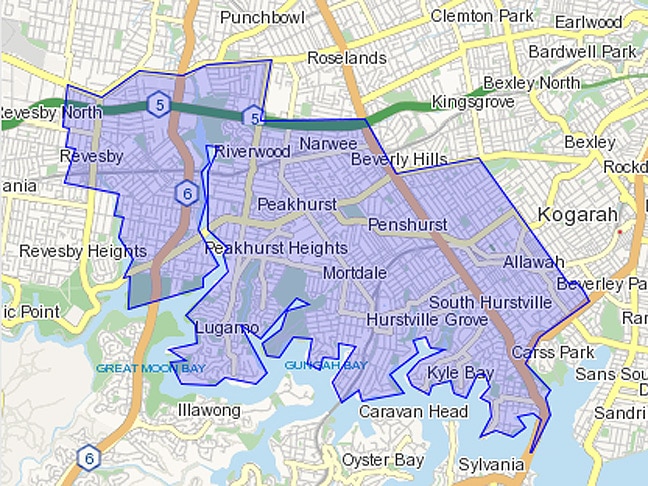
Source: ABS
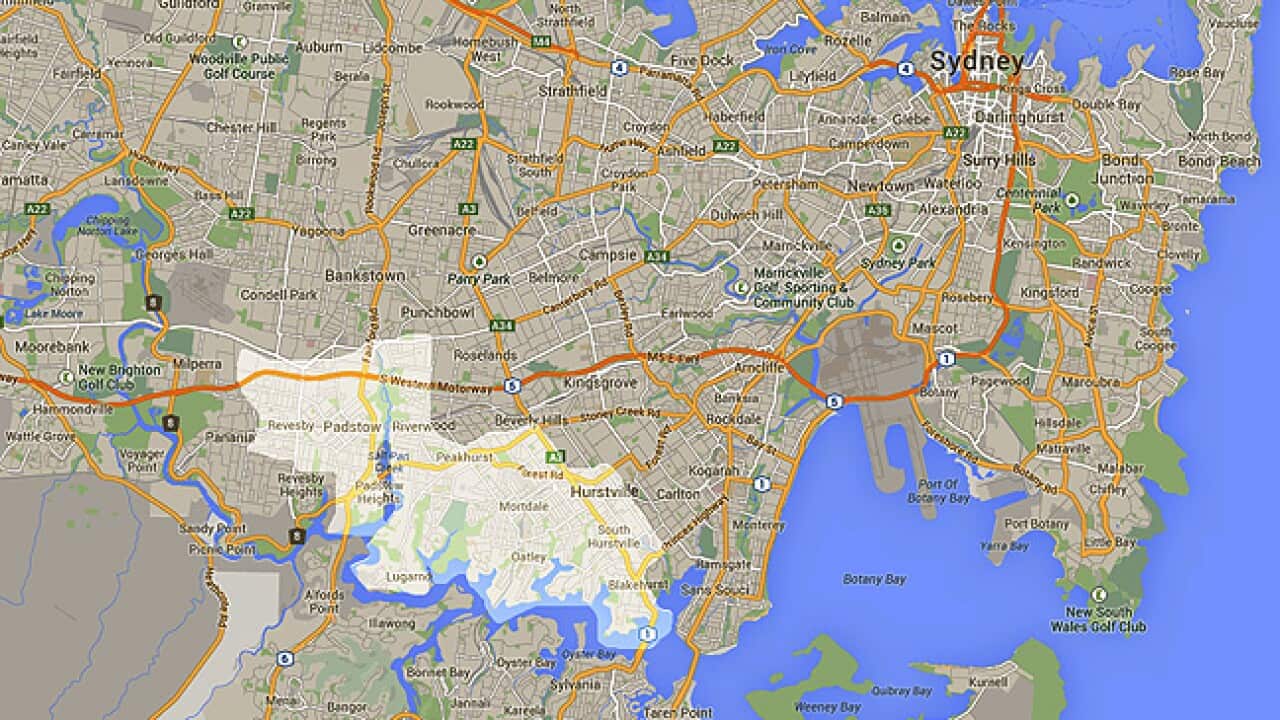
The Banks electorate sits on the outer edge of Sydney, south-west of the city.
It covers the St George, Hurstville and Kogarah council areas including the suburbs of Padstow, Revesby, parts of Bankstown, Mortdale, Oatley and Blakehurst.
Redistributions have resulted in the division shifting east to include new, more urban demographics such as Hurstville's CBD, while parts of suburban Bankstown have been lost.
MAIN CONTENDERS The current member for Banks is Labor MP Daryl Melham. Born to a Lebanese family in 1954, he's held the seat since 1990. In 2010, Melham suffered a swing of almost 9 per cent, which cut his margin to 1.5 per cent.
The Greens party is running Paul Spight. The Palmer United Party is running Jake Wellham.The Democratic Labor Party is running Robert Haddad. Katter's Australian Party is running Ross Richardson.
PEOPLE
People: 147,760
Median age: 38
Families: 40,027
Average children per family: 1.8
Median weekly household income: $1,264
Unlike other neighbouring western Sydney seats, Banks has a higher than average proportion of Anglo-Celtic Australians. But new areas added to the division, such as Hurstville's CBD, are becoming home to dense ethnic-Chinese communities.
Nearly 60 per cent of the population are Catholic.
Most residents were born in Australia (55%) but this is followed by a large section of the community arriving from China (13%), Hong Kong (2%) and Lebanon (2%).
English is the most commonly spoken language at home, followed by Chinese (Cantonese, Mandarin, Other), Arabic, Greek and Indo-Aryan (Hindi, Bengali, Punjabi, Sinhalese, Urdu) languages.
IN DEPTH: Hurstville v Revesby
Share