in brief
- Donald Trump has indefinitely extended the ceasefire with Iran, hours before it was set to expire.
- Iran said on Tuesday it had yet to decide whether to attend peace talks with the US in Pakistan.
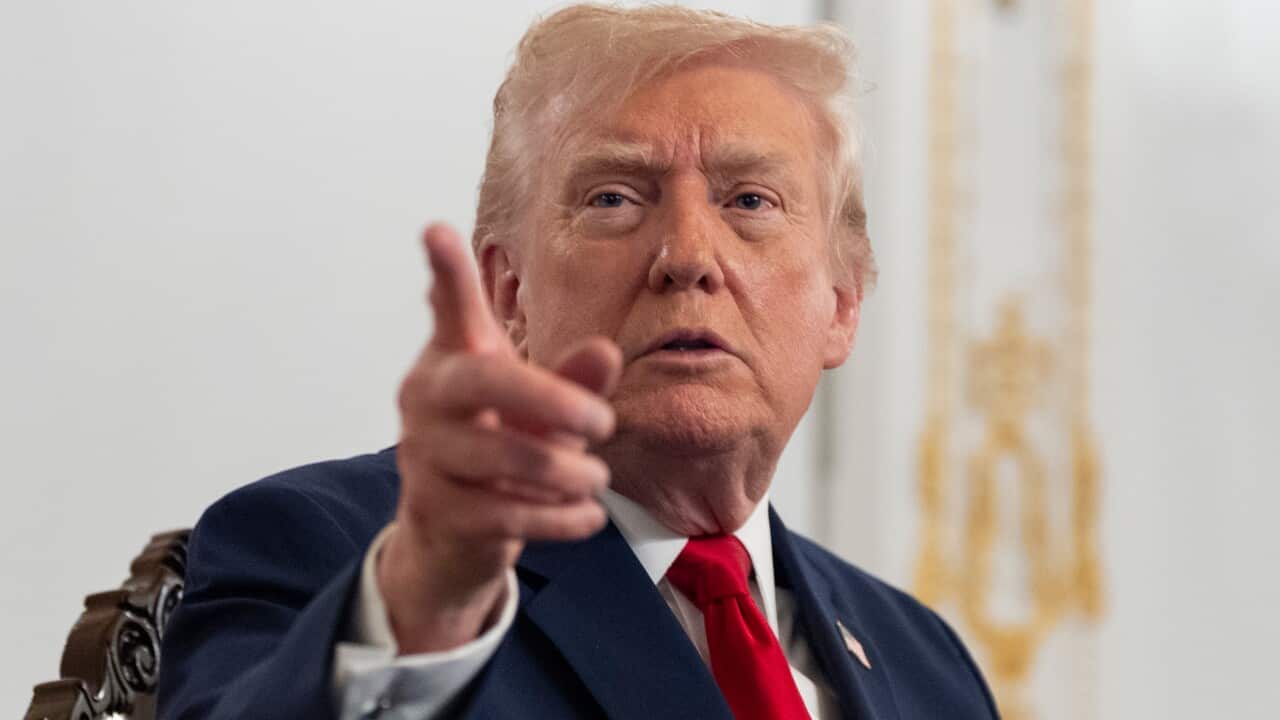
United States President Donald Trump is extending the Iran ceasefire, set to expire today, until an Iranian proposal is submitted, marking a reversal from his previous hardline position.
It was not clear on Wednesday if Iran or Israel, the US ally in the two-month war, would agree.
Trump said he hoped to reach a "great deal" to end the war, but had not wanted to extend the ceasefire, and said the US military was "raring to go" if negotiations were not successful.
But Iran's hesitancy to join peace talks, and a request from the host mediators, Pakistan, appears to have swayed him to extend the ceasefire with no set end date.
Trump, in a post on Truth Social, said he was acting at the request of Pakistan to hold off attacks until Iranian leaders and representatives could come up with what he called a "unified proposal".
News that makes sense
Your trusted source for staying up-to-date with the world around you. Get free daily news updates and analysis, straight to your inbox.
"I have therefore directed our Military to continue the Blockade and, in all other respects, remain ready and able, and will therefore extend the Ceasefire until such time as their proposal is submitted, and discussions are concluded, one way or the other," Trump said.
There was no response early on Wednesday to Trump's announcement from senior Iranian officials, although some initial reactions from Iran suggested Trump's comments were being treated sceptically.
Tasnim News Agency, affiliated with the Islamic Revolutionary Guards Corps, said Iran had not asked for a ceasefire extension and repeated threats to break the US blockade by force.
An adviser to Iran's lead negotiator, the speaker of parliament Mohammad Baqer Qalibaf, said Trump's announcement carried little weight and maybe a "ploy to buy time" for a surprise strike.
Iran said on Tuesday it had yet to decide whether to attend last-ditch peace talks with the US, after US forces boarded a huge Iranian oil tanker at sea. Iran also condemned a US naval blockade near the Strait of Hormuz and the restriction of access to Iranian ports.
Iranian government spokesperson Fatemeh Mohajerani said: "We do not want to be attacked again, but if such attacks occur, we will definitely respond more firmly than before," according to the state news agency IRNA.
US vice president JD Vance has called off his trip to Pakistan, according to a US official speaking to the Associated Press.
Vance, who was a part of the first delegation to Islamabad, had not arrived for the peace talks as of Tuesday, where the city had been locked down, and a hotel cleared of other guests, in preparation.
Pakistan has welcomed the ceasefire and remains on board to host additional peace talks, but it's unclear when they could take place.
"I sincerely hope that both sides will continue to observe the ceasefire and be able to conclude a comprehensive ‘Peace Deal’ during the second round of talks scheduled at Islamabad for a permanent end to the conflict," Pakistan's Prime Minister Shehbaz Sharif said on X.
Iran accuses US of piracy
By the evening on Tuesday, the spokesperson for Iran's foreign ministry, Esmaeil Baghaei, told state television Iran had yet to decide whether to attend.
He described the US boarding of an Iranian tanker, as well as the seizure of a separate cargo ship on Sunday, as "piracy at sea and state terrorism", which he said called into question the US's seriousness in negotiating.
"The aggression against Iranian ships and the continued pressure indicate the continuation of the opposing side's contradictory behaviour," Baghaei said.
Pakistan's information minister, Attaullah Tarar, said in a post on X that Pakistan was still waiting for Iran's reply to its invitation: "Pakistan as the mediator is in constant touch with Iranians and pursuing the path of diplomacy and dialogue."
Oil prices rise again
Oil prices climbed about 3 per cent on Tuesday after Iran said it had yet to decide whether to attend the peace talks with the US.
Iran has largely blocked off the Strait of Hormuz, which controls access to the Gulf, to all ships but its own.
It had announced last week that it would reopen the strait but reversed that decision on Saturday after Trump refused to lift his blockade of Iranian ports.
That has left the strait closed and the world deprived of the 20 million barrels of oil that typically crossed it each day.
Shipping traffic through the Strait of Hormuz, which normally handles about 20 per cent of global seaborne oil and liquefied natural gas supplies, remained broadly halted on Tuesday with only three ships passing the waterway in the past 24 hours, shipping data showed.
"You've already at this point lost a billion barrels, even if this resolves tomorrow. If it's another month, it's 1.5 billion barrels," Saad Rahim, chief economist at commodity trader Trafigura, said at the FT Global Commodities Summit on Tuesday.
For the latest from SBS News, download our app and subscribe to our newsletter.